
Homes across the South East face a similar mix of challenges: wet weather, clay soil, and a large amount of older housing stock that was never designed for today’s electrical loads. These conditions create repeat issues that show up again and again during inspections and fault callouts.
Based on day to day work across the region, below are the most common electrical problems homeowners encounter, why they happen, and how they are usually resolved correctly.
Prolonged rain is a major contributor to electrical faults in the South East. Saturated ground increases the likelihood of damage to underground cables, especially where older installations used basic sheathing or shallow burial.
When moisture reaches damaged insulation, it can create leakage paths to earth. This often causes RCDs to trip or shows up during inspection testing as insulation resistance failures that require remedial work.
The correct long term fix is not repeated resets or surface repairs. Where cables are buried, they should be suitable for ground conditions and installed at compliant depths with proper mechanical protection. Joints and terminations need to be rated for outdoor use and protected against water ingress. Simply drying out a fault rarely solves it for good.
Basements and meter positions are another weak point. Water entering through poorly sealed service entries can track along meter tails and enclosures, creating intermittent faults that mimic overloads. Proper sealing and correct termination usually resolves these issues once identified.
Many homes in the South East still rely on wiring systems installed decades ago. Rubber and early PVC insulation hardens with age, becoming brittle and prone to cracking. When combined with modern electrical demand from heating, charging equipment, and appliances, these systems are pushed beyond what they were designed to handle.
This often shows up during inspections as deterioration codes rather than immediate danger, but the risk increases over time. Localised rewiring of heavily loaded circuits is frequently enough to stabilise the installation without the disruption of a full rewire.
Loft spaces are a common problem area. Older joints, inaccessible splices, and damaged insulation are regularly discovered during proper inspection and testing. These faults are rarely visible from sockets or switches, which is why testing matters.
Repeated circuit tripping is usually a symptom, not the fault itself. Common causes include undersized conductors, shared circuits feeding high demand equipment, or moisture related leakage.
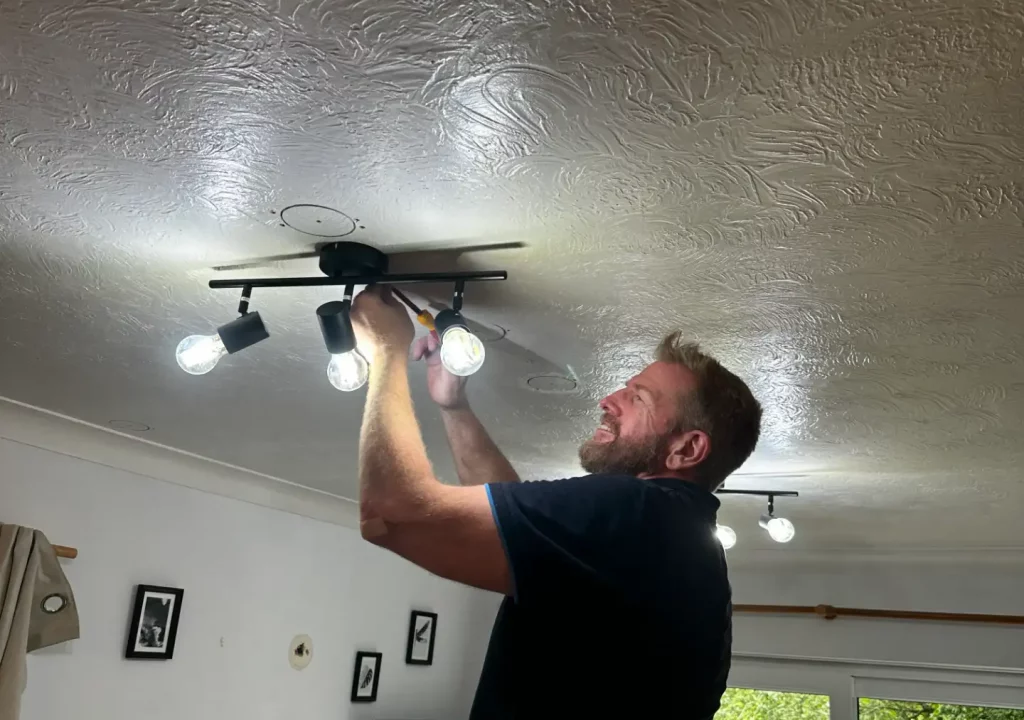
Lighting flicker is often traced to loose connections, particularly at ceiling points. Movement, vibration, and thermal cycling loosen terminals over time. While flickering lights are sometimes dismissed as a nuisance, they can indicate overheating connections that should be corrected promptly.
The fix is typically straightforward once located: proper termination, correct conductor sizing, and ensuring circuits are not overloaded or incorrectly altered over the years.
Storm activity regularly causes voltage disturbances on local supply networks. Even without a direct lightning strike, switching events and nearby faults can introduce surges that damage sensitive electronics.
Homes without surge protection rely entirely on plug in devices, which offer limited and inconsistent protection. Modern consumer units can be fitted with surge protective devices that reduce the risk of damage to appliances and control equipment. These are now commonly recommended where the risk assessment justifies them, particularly in areas prone to storms or supply instability.
Kitchen and utility areas frequently suffer from socket overload. Modern households use far more portable appliances than installations were designed for, leading to widespread use of extension leads and adapters.
Over time this causes overheating at plugs and socket outlets. The correct solution is not heavier duty extensions but additional fixed outlets or dedicated circuits installed where needed. This reduces load on individual accessories and lowers fire risk.
In rental properties, inadequate socket provision is a recurring inspection issue and should be addressed proactively rather than left to tenant behaviour.
Electrical inspections exist to identify deterioration, damage, and non compliance before they become dangerous. In older homes, inspections commonly reveal issues with earthing, bonding, moisture damage, and aged wiring that are not obvious during everyday use.
Where defects are identified, the focus should always be on addressing safety critical items first. Temporary workarounds or cosmetic fixes rarely stand up over time, especially in wet or high use environments.
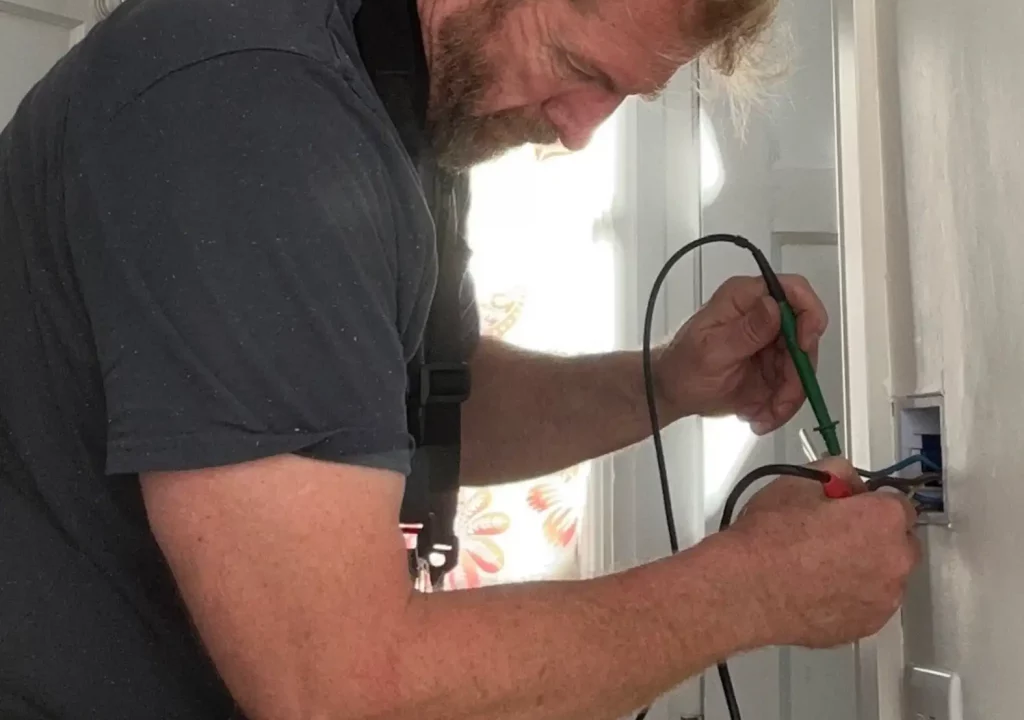
Professional testing uses controlled methods and calibrated equipment to assess insulation resistance, continuity, polarity, and protective device operation. This level of assessment cannot be replicated through visual checks alone.
The South East’s climate and housing stock require practical, durable electrical work rather than shortcuts. Installations need to account for moisture, movement, and long term loading, not just current appearance.
Homes with documented electrical safety and compliant upgrades are easier to insure, easier to sell, and far less likely to suffer sudden failures during bad weather.
Pure Electrical deals with these problems daily and focuses on work that solves the root cause, not just the immediate symptom.
If you are noticing repeated tripping, flickering lights, or signs of electrical wear, a proper inspection is the safest next step. Catching issues early is almost always simpler and cheaper than dealing with the aftermath of a failure.






If you want to work with an electrical company that responds quickly, communicates clearly, and delivers work to a premium standard, Pure Electrical is ready to help.
Call us now to get a free quote and discuss your project.