
Energy bills across the South East have been climbing steadily, and with the electricity price cap sitting at 27.69p per kWh in early 2026, more homeowners are looking seriously at generating their own power. Solar panels and battery storage together offer a way to cut those bills meaningfully and reduce grid dependence. But the investment only pays off when the system is properly designed, correctly installed, and matched to how your household actually uses electricity.
This guide covers what South East homeowners need to know before committing, from realistic costs and savings to the practical considerations that determine whether a system performs well or disappoints.
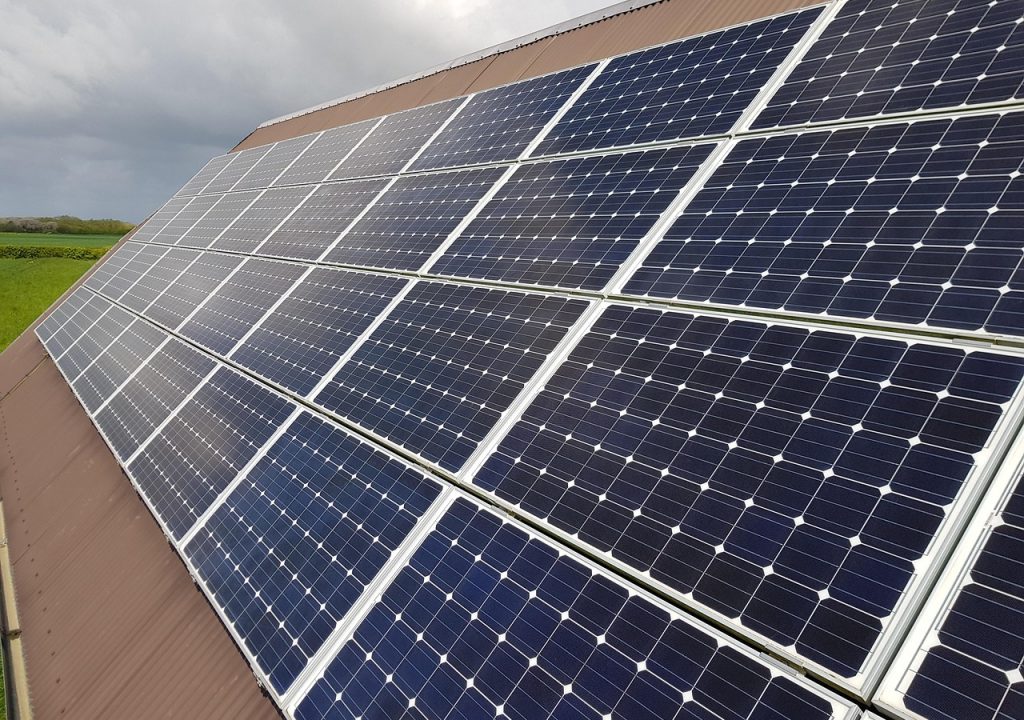
A typical residential solar system for a three bedroom home uses a 4kW to 6kW array, which translates to roughly 10 to 16 panels. Installed costs for a system in that range currently sit between £6,500 and £9,500, depending on panel quality, inverter choice, and roof complexity.
Adding battery storage pushes the total higher. A 5kWh battery, enough to cover evening usage for most households, adds £2,500 to £4,500. Larger 10kWh options for higher consumption homes can reach £7,000 installed. According to the Federation of Master Builders, a 4.5kW system with battery in the South East averages around £9,800 fully installed as of March 2026.
Here is why those numbers matter in practice. Without a battery, the average household saves around £580 to £700 per year, because surplus energy generated during daylight goes back to the grid at relatively low Smart Export Guarantee rates. With a battery, that same household saves closer to £950 to £1,100 annually, because stored energy gets used in the evening when grid electricity would otherwise cost full price. The difference between those two figures determines whether your payback period is 11 to 13 years or closer to 8 to 10 years.
One financial advantage that remains in place through at least March 2027: VAT on solar and battery installations is 0%. That saves roughly £1,300 to £1,900 on a typical system, which directly improves the return on investment.
A common concern is whether solar panels generate enough power in a climate known for grey skies and rain. The answer is more encouraging than most people expect. Modern panels work on ambient daylight, not direct sunshine, and the South East actually receives some of the highest solar irradiation levels in the UK. A well oriented system on a property in Guildford or Wokingham will produce between 3,500 and 4,800 kWh per year on a 4kW array.
South facing roofs at a pitch between 30 and 40 degrees perform best, but east west split arrays are increasingly popular and still capture around 80% to 85% of optimal output. On homes where roof orientations vary, splitting panels across two aspects actually provides a broader generation curve throughout the day, which pairs well with battery storage.
Shading is the factor that kills performance most reliably. A chimney shadow falling across a few panels during peak hours can reduce output significantly unless the system uses panel level optimisers. Properties surrounded by mature trees need careful shading analysis during the survey stage, and any reputable installer will share this analysis before quoting.
Heavy rainfall actually helps in one respect: it keeps panels clean. Dust build up is minimal compared to drier climates, meaning less maintenance over the system’s 25 to 30 year lifespan.
A solar PV installation on a standard pitched roof takes one to three days depending on system size. Battery installation usually adds half a day. The process involves mounting rails on the roof, fitting panels, running cabling to the inverter, and connecting the system to the home’s electrical supply.
Here is where the quality of the electrical work matters. The inverter connects to a dedicated circuit in the consumer unit, and the whole system must be wired, tested, and certified in accordance with BS 7671 and MCS (Microgeneration Certification Scheme) installation standards.
Take a typical scenario on a 1930s semi in Bracknell where the consumer unit is older. Adding solar with battery storage introduces new circuits and increased load. In practice, boards of this age often lack the spare capacity needed for the additional connections. Upgrading to a modern consumer unit as part of the solar install solves this cleanly and brings the whole property up to current standards. A combined approach like this, where the Electrical Upgrades happen alongside the solar install, reduces total disruption and cost compared to doing them separately.
Roof penetrations are another area where attention to detail matters. Every fixing point through tiles needs proper weatherproofing. On older slate roofs, this requires specialist hooks rather than standard mounts. Getting this wrong leads to leaks that may not appear until the next period of sustained heavy rain, by which point a poorly accredited installer may be difficult to contact.
Generating electricity is only half the equation. How you use it determines whether solar delivers strong savings or merely adequate ones.
Without a battery, the key is shifting energy usage to daylight hours. Running the washing machine, dishwasher, and tumble dryer during peak generation (roughly 10am to 3pm) maximises self consumption. Most smart inverters now include apps that show real time generation and household consumption, making it simple to time heavy loads around solar output.
With battery storage, the equation changes. The battery charges from surplus solar during the day and discharges in the evening when demand peaks. Some systems go further by integrating with time of use tariffs, charging the battery from cheap overnight electricity and using that stored energy during peak rate periods. The solar panel savings from this kind of setup can exceed £1,200 per year for households that optimise their usage.
The Smart Export Guarantee provides a secondary income stream. Every kWh exported to the grid earns between 5p and 15p depending on your supplier and tariff, typically amounting to £170 to £500 per year. It is worth comparing rates across suppliers, as the gap between the best and worst can mean £200 or more annually.
MCS certification is non negotiable for any solar PV installation. Without it, you cannot access the Smart Export Guarantee, and the installation may not comply with planning requirements. MCS certified installers are assessed annually and must follow specific design, installation, and handover procedures.
Beyond MCS, check that the installer is also registered with a competent person scheme (NAPIT, NICEIC, or ELECSA) for the electrical work. Some installers subcontract the electrical connection to a separate electrician, which can create gaps in accountability if something goes wrong. Working with a company that handles the full installation, from panels through to Electrical Testing & Certification and DNO notification, gives you a single point of responsibility.
Ask for a detailed shading analysis, a generation estimate specific to your roof, and an itemised quote that separates equipment from labour. A reputable installer will also explain warranty structures clearly: panels typically carry a 25 year warranty, inverters 5 to 12 years, and batteries 10 to 15 years.
For most South East homeowners with a suitable roof, solar panels and battery storage represent a solid long term investment. The combination of 0% VAT, rising grid prices, and the Smart Export Guarantee means payback periods have shortened considerably. Properties with south or east west facing roofs, moderate to high electricity usage, and a consumer unit in reasonable condition are the strongest candidates.
What makes the difference between a system that hits its projected returns and one that underperforms is the quality of the design and installation. A properly surveyed system will generate reliably for 25 years. One installed without adequate shading analysis or connected to a board that cannot handle the load will underperform from day one.
If you are considering Solar Panel Installation and battery storage for your property in Berkshire, Surrey, or Hampshire, Pure Electrical can help. We are MCS certified and NAPIT registered, and we handle everything from the initial survey through to installation, testing, and DNO notification. Get in touch for a free consultation and a clear, honest assessment of what solar could do for your home. Call 0333 0500401 or request a quote online.






If you want to work with an electrical company that responds quickly, communicates clearly, and delivers work to a premium standard, Pure Electrical is ready to help.
Call us now to get a free quote and discuss your project.