
Switching to an electric vehicle is one thing. Figuring out how to charge it at home is another conversation entirely, and it catches a lot of homeowners off guard. A home EV charger installation involves more than bolting a box to the wall, and getting it right from the start saves money, avoids disruption, and means your charger runs safely for years.
This guide walks through what the process actually looks like on real properties across Berkshire, Surrey, and Hampshire.
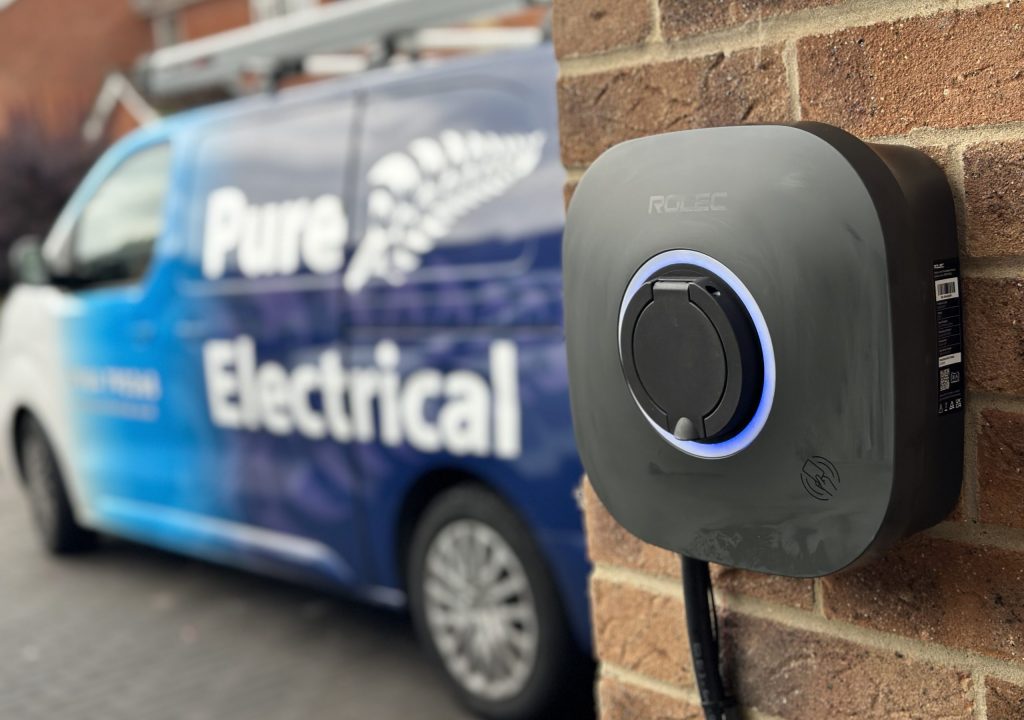
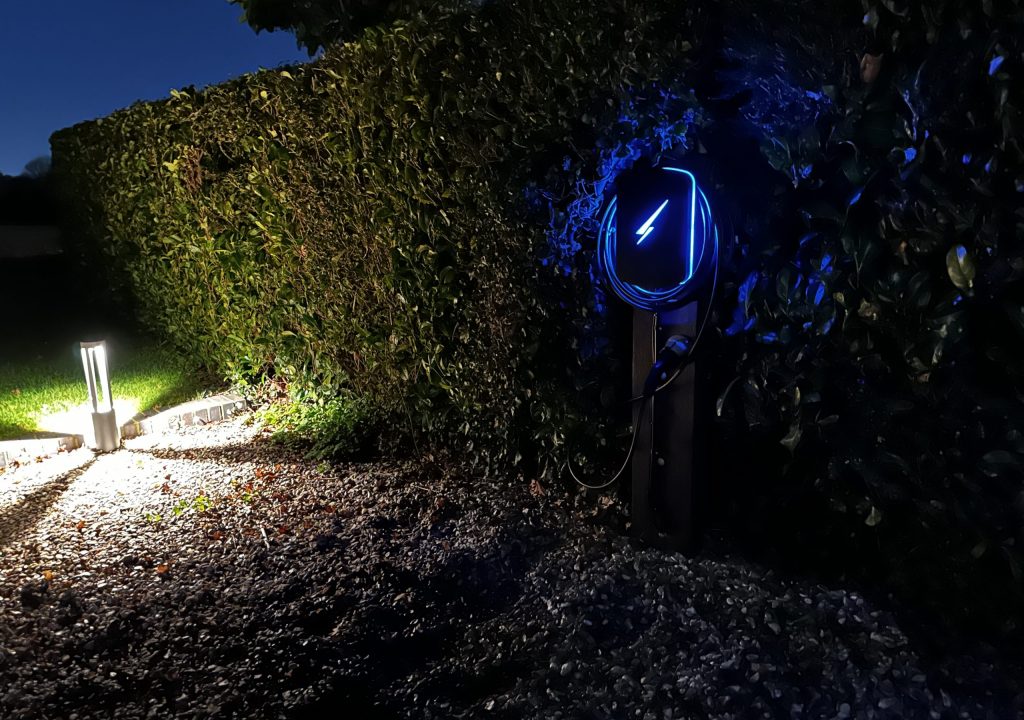
Public rapid chargers in 2026 can cost upwards of 70p per kWh. At home, even on a standard tariff, that drops to around 24p per kWh. Dedicated EV tariffs bring it down further to 7p or 8p during off peak hours. Over a year, that difference adds up to well over £1,000 in savings for the average driver.
Those savings only materialise if the installation is done properly, though. A poorly surveyed job can mean an undersized cable, an overloaded consumer unit, or a charger that trips every time it ramps up to full power. Experience shows that around one in five properties in the South East need some form of electrical work before an EV charger can be safely connected, and spotting that early is what separates a smooth install from an expensive callback.
Before any charger goes on the wall, a qualified electrician needs to assess your existing electrical setup. That means checking your main supply capacity, the condition of your consumer unit, and the physical cable route from the board to where you want the charger mounted.
Take a typical 1970s detached house in Wokingham. The consumer unit might be in the hallway, the homeowner wants the charger at the front of the garage, and the cable route is 15 metres. Most standard quotes cover up to 10 metres of cable, so anything beyond that adds cost. A longer run can also affect charging performance if the cable is not sized correctly, which is why a proper survey matters more than a quick phone estimate.
Older homes around Bracknell and Sandhurst often have outdated fuse boards with no modern safety protection. A 7kW charger draws around 32A continuously, and connecting that to an old board is neither safe nor compliant. In practice, this usually means upgrading to a modern consumer unit before the charger goes in, which adds roughly £350 to £500 but brings the entire property up to current standards.
A straightforward home EV charger installation typically takes two to four hours. The electrician runs armoured cable from the consumer unit to the charger location, mounts the unit, and connects it to a dedicated circuit with its own safety devices.
Where things get more involved is on properties that need external cable runs or groundwork. Detached garages, for example, sometimes require a trench across a driveway. Cable needs to be properly buried and protected with ducting, especially where vehicles pass over. Getting this right during installation prevents faults that would otherwise show up years later.
Another common scenario involves homes with older outbuildings that were only wired for basic lighting and a socket or two. Adding a 7kW charger to that existing supply would overload it. The right approach is to run a new, correctly rated supply direct from the main consumer unit, and a good electrician will flag this during the survey rather than discovering it on installation day.
A fully installed 7kW smart home charger in the South East typically costs between £800 and £1,500. The unit itself accounts for £400 to £800 of that, depending on brand and features. Labour, cable, and sundries make up the rest.
Several factors push the ev charger cost upward: long cable runs, consumer unit upgrades, and trenching for outdoor routes. Properties with longer driveways naturally see higher groundwork costs compared to terraced homes where the board and charger are close together.
The OZEV grant still offers up to £350 for eligible applicants, though since 2022 this has been restricted to renters, flat owners, and landlords rather than standard homeowners. Your installer should handle the application, and they must be OZEV approved to do so. The 0% VAT on EV charger installations also remains in place, saving around £150 to £250 on a typical job.
Every home EV charger installation must be notified to your local Distribution Network Operator and comply with Part P of the Building Regulations. Your installer handles this, but you should know what to expect once the job is complete.
You should receive an Electrical Installation Certificate confirming the new circuit meets current wiring regulations, along with confirmation that the DNO has been notified. If your installer is registered with a competent person scheme such as NAPIT, NICEIC, or ELECSA, they can self certify the work without involving building control separately. An unregistered installer can still legally do the work, but you would need to arrange a separate inspection, adding time and cost.
In practice, a properly surveyed and certified installation lasts 10 to 15 years with minimal maintenance. A rushed job that skips the survey or cuts corners often results in nuisance tripping or compliance issues that surface during a future Electrical Testing & Certification report.
Most UK homes run on single phase power, which means a 7kW charger is the practical maximum. That adds roughly 30 miles of range per hour, enough to fully charge most EVs overnight. Unless you already have a three phase supply, there is no benefit to specifying a faster unit.
When comparing quotes, look for an OZEV approved installer who is also registered under a competent person scheme. Ask about the survey process, because any installer who quotes without visiting the property is guessing at cable routes and board capacity. That guesswork is where problems start.
If your property has a longer cable run or detached garage, expect the installer to discuss routing and whether any Electrical Upgrades are needed. A good installer explains these costs upfront, itemised in the quote, with no surprises on installation day.
A home EV charger installation is one of the most practical improvements you can make to a South East property. The energy savings are significant, the technology is mature, and with proper installation by a qualified electrician, the setup runs reliably for over a decade.
If you are considering an EV Charger Installation for your home in Berkshire, Surrey, or Hampshire, get in touch with Pure Electrical for a free, no obligation survey and quote. We will assess your property, explain exactly what is involved, and give you a clear price before any work begins. Call us on 0333 0500401 or request a quote through our website.






If you want to work with an electrical company that responds quickly, communicates clearly, and delivers work to a premium standard, Pure Electrical is ready to help.
Call us now to get a free quote and discuss your project.